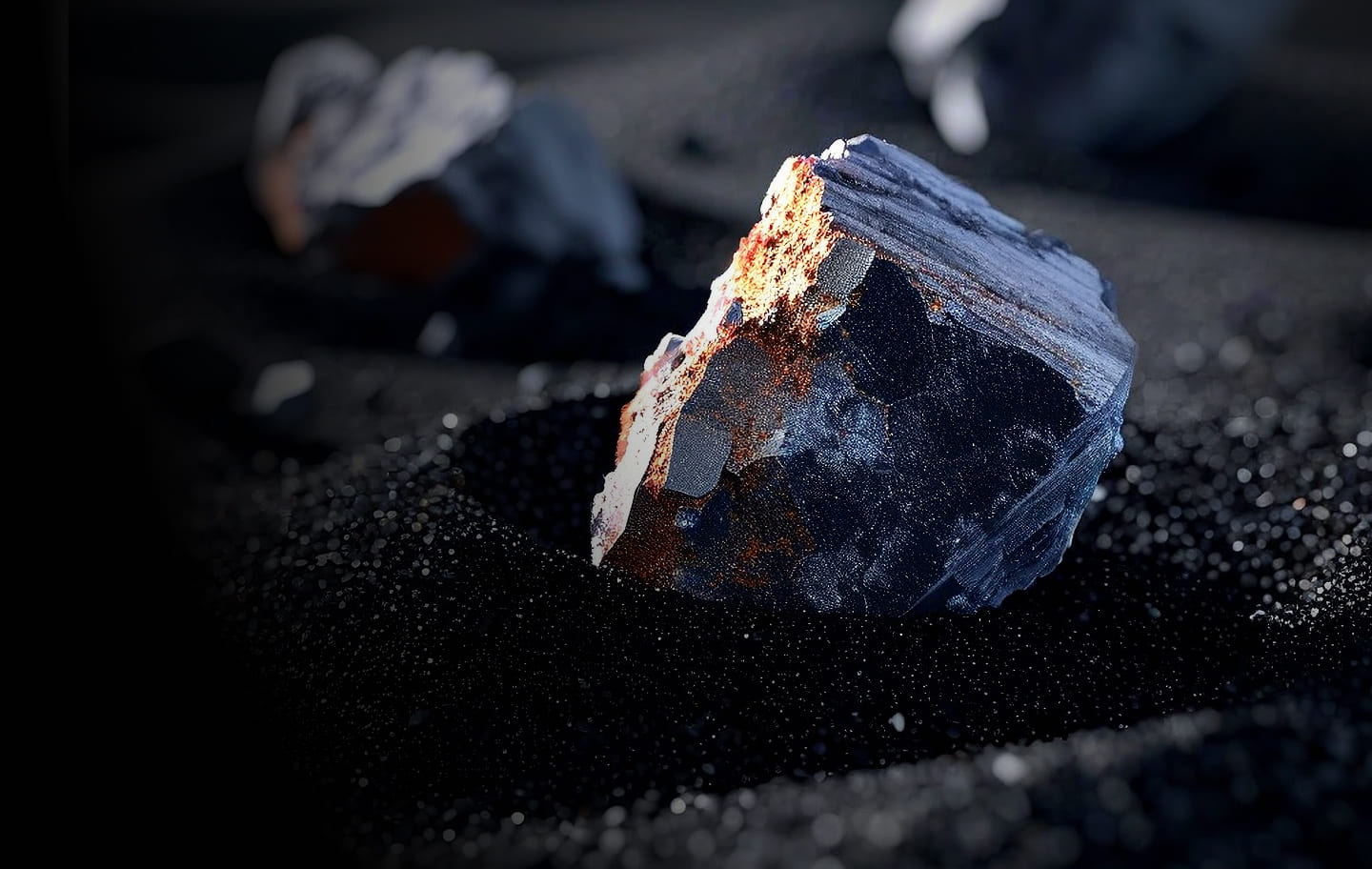
You may never see them, but rare earths are hiding in plain sight throughout modern life.

Transportation
You wouldn’t get very far in a modern vehicle without rare earths. Permanent rare-earth magnets help power the traction motors, power steering, electric pumps, and advanced driver-assist components that make modern mobility possible. Rare earth oxides and alloys also play important roles in LED lights, displays, rechargeable batteries, and catalytic converters.
Manufacturing and Robotics
From factory robots and power tools to the emerging generation of humanoid robots and “physical AI,” rare earths help modern machines move with speed and precision. The high-performance servo motors, collaborative robots, CNC machines, and automated assembly systems found throughout the manufacturing industry and collaborative robots all rely on rare earth permanent magnets for accurate, efficient operation in the physical environment.


Consumer Electronics
Rare earths pack huge capabilities into remarkably small packages. Miniaturized rare earth magnets are found in smartphones, laptops, headphones, wearables, and other devices we use every day. Rare earths also play important roles in chips, camera lenses, LED displays, and lights. They help make today’s consumer electronics smaller and more capable.
Energy
Rare earths are essential to generating the energy we need. Powerful permanent magnets are used in the generator rotors of certain turbines, helping turn wind into electricity. In fact, a single large, direct-drive turbine can contain thousands of pounds of rare-earth magnets. Rare earth oxides and alloys are also used in other energy solutions including solar cells, fuel cells, battery storage, gas turbines, and more.


Medical Devices
Some of the medical industry’s most advanced tools depend on rare earths. MRI and X-ray machines, surgical robots, implantable devices, and diagnostic instruments all use rare earth magnets and elements in applications where precision and reliability matter.
Communications
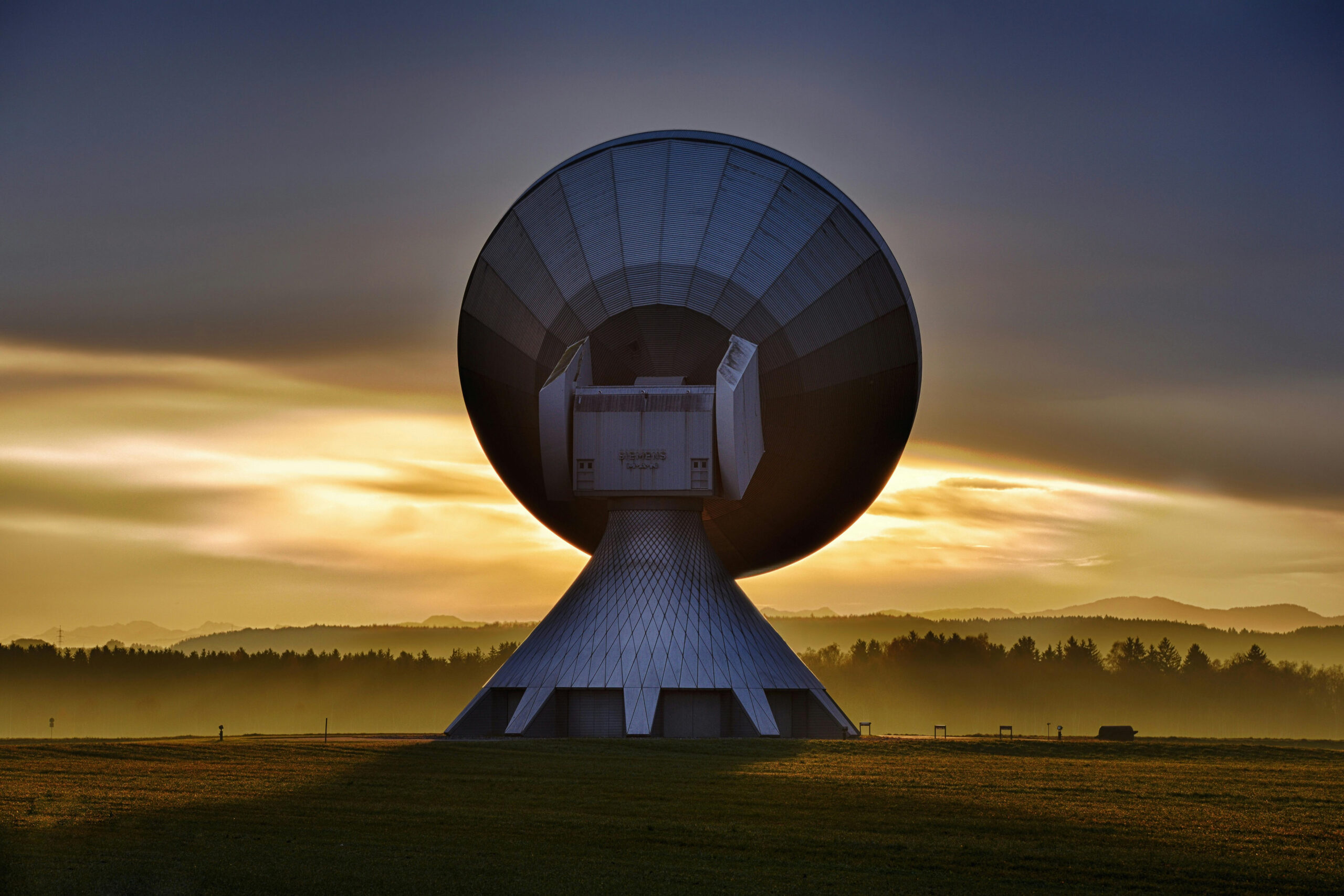
Rare earths help us navigate, communicate, and see what’s coming. From GPS satellites to the systems that track aircraft, rare earths play important roles across the aviation, aerospace, and defense industries. Rare earth magnets are mission-critical components in satellites, radar, sonar, optical systems, and precision-guided munitions, while rare earth elements are also used in fiber optics, displays, and optical glass.

Semiconductors
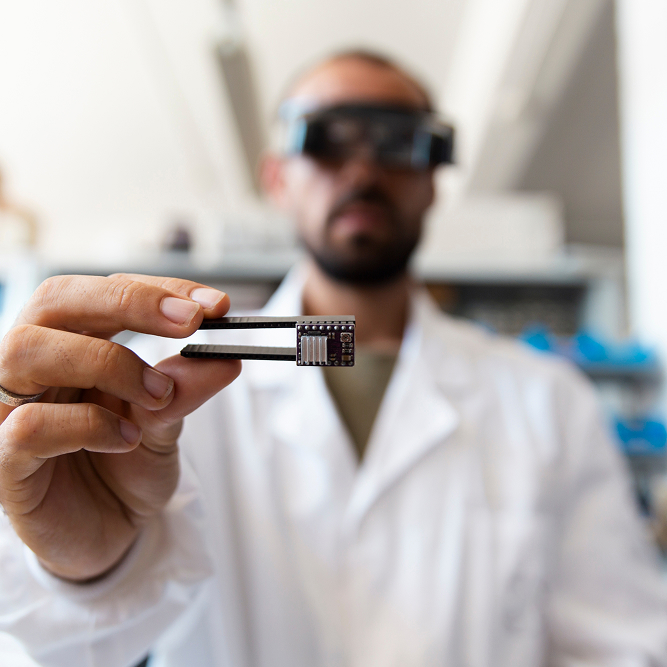
Microchips power everything from the smartphone in your pocket to the coffee maker on your kitchen counter. They also populate the datacenters that enable the digital apps, work tools, and entertainment services used by millions. Rare earths help make these tiny marvels possible. Rare earth-based magnets, films, and polishing are essential to the precision ion implantation, sputtering, optical components, and wafer handling equipment used in advanced semiconductor fabrication, where extraordinary levels of control and accuracy are required.
Aerospace & Defense
Rare earths enable the increased efficiency, reliability, safety, and accuracy of today’s commercial airplanes, drones, and defense systems. Rare earth permanent magnets are used in electric motors, actuators, sensors, and other critical systems where performance and weight matter. As drones are used for more tasks such as agriculture, infrastructure inspection, aerial imaging, and emergency response, demand for the compact, high-performance components made possible by rare earths is growing.
More to Explore
What are rare earths and are they actually rare?
Rare earths are a group of 17 elements: the 15 lanthanides plus scandium (Sc) and yttrium (Y). The unique chemical properties of these elements make them critical to various commercial, industrial, and defense applications. Rare earths are grouped as “light” or “heavy,” with heavy rare earths such as dysprosium (Dy) and terbium (Tb) especially important for high-performance magnets.
Despite their name, most of these elements aren’t particularly rare in the Earth’s crust. The challenge is finding them concentrated enough to extract economically. They also tend to occur together, and their similar chemistry makes them difficult to separate into the individual elements needed for specialized technologies.
What would stop working without rare earths?
A world without rare earths would look very different. Smartphones, computers, TVs, MRI and X-ray machines, power tools, industrial robots, satellites, communication networks, and modern defense systems all rely on them. Some products could function with substitutes, but often with trade-offs in size, weight, efficiency, or performance. Other rare earths enable highly specialized functions that are difficult to replicate via other means. A supply disruption would affect manufacturers’ ability to make certain components and products at current performance, cost, and scale.
Why are rare earth magnets such a big deal?
Rare earth permanent magnets are the hidden backbone of modern technology. They pack enormous magnetic strength into a smaller, lighter package than traditional ferro-magnets. Neodymium-iron-boron (NdFeB) magnets, for example, help motors, generators, speakers, robots and other technologies deliver high performance without becoming larger and heavier. Their importance makes their supply a strategic concern for defense and other critical industries. Beginning in January 2027, the U.S. Department of War will be prohibited from buying rare–earth magnets sourced from China, Russia, North Korea, or Iran (DFARS Section 225.7018).
Why can't manufacturers just use something else?
The unique chemical structure of these elements gives them special magnetic, optical, electrical, and thermal properties that are difficult to reproduce with other elements. Where alternative solutions are available, they often mean trade-offs in the form of weaker magnets, larger or heavier components, or reduced performance. For some highly specialized uses, suitable substitutes remain limited.
Why does China dominate rare earths?
China possesses 60% of the world’s known rare-earth deposits, so development of the industry has long been a national priority. Moreover, its advantage extends far beyond mining. China also controls 90% of rare earth processing and separation, 90% of rare earth metals and alloys, and makes an estimated 92% of the world’s rare earth permanent magnets. It has also moved to secure supply in neighboring countries such as Myanmar, often with minimal environmental oversight. These factors have given it a dominant position in the upstream, middle, and downstream portions of the rare-earth supply chain.
Why is it so hard to build a rare earth supply chain?
Mining rare earths is only the beginning. Having a deposit does not equal having a secure supply. That’s because rare earth elements have similar chemical properties and commonly occur together, making their separation a technically demanding process. After separation they must be converted into metals and alloys, and ultimately manufactured into products such as permanent magnets. Each step requires specialized facilities, technical expertise, capital, and exacting quality control. Building all those capabilities — and making them work together at commercial scale – can take years. USA Rare Earth is building capabilities across the rare–earth value chain, from mining and separation through metals, alloys and permanent magnets.